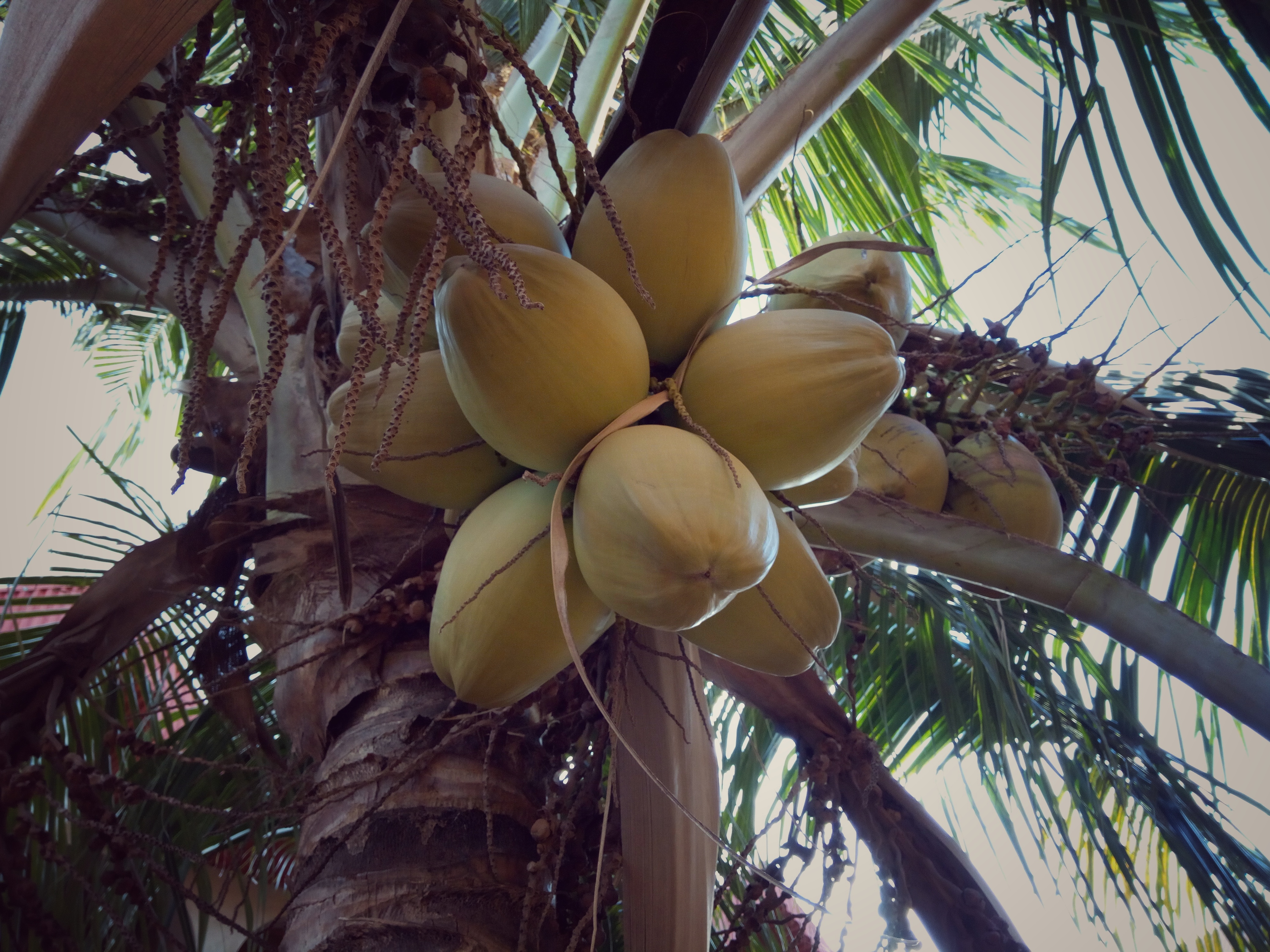
Coconut is easy to underestimate because it looks so familiar. It sits in markets, appears beside beaches, flavors food, refreshes travelers, and shows up in family stories. Yet behind that familiar shell is a serious economic engine. For communities in Badagry, Lagos State, coastal Nigeria, Ghana, Kenya, Tanzania, Mozambique, India, Sri Lanka, the Philippines, Indonesia, and the Caribbean, coconut is not just a fruit. It is a value chain with farming, processing, packaging, logistics, tourism, research, branding, and export potential. When AFRICOCO speaks about preserving Africa's coconut heritage, the conversation is also about building prosperity from something already rooted in the soil and memory of the people.
The first link in the value chain is the farmer. A coconut farmer does more than plant a tree and wait. The farmer makes decisions about seedling quality, spacing, soil health, water access, pest control, harvesting, and intercropping. In many African communities, coconut farms can sit beside cassava, vegetables, legumes, livestock, beekeeping, or small agro-processing spaces. This matters because a coconut tree can become part of a wider household economy. A well-supported farmer can sell mature nuts, tender coconuts, seedlings, husks, fronds, sap, shells, and farm experiences. The opportunity expands when farmers are trained, organized into cooperatives, connected to buyers, and given access to market information.
The second link is processing. Raw coconut has value, but processed coconut has far more possibilities. Coconut water can become a bottled beverage. Coconut meat can become desiccated coconut, snacks, flour, milk, cream, oil, or confectionery ingredients. Coconut shell can become activated carbon, craft products, charcoal briquettes, buttons, utensils, and decorative pieces. Coconut husk can become coir fiber, ropes, erosion-control mats, brushes, mattresses, seedling media, and garden products. Even coconut leaves and fronds can feed a craft economy. The most exciting part is that many of these products do not require a giant factory to begin. They require food safety discipline, good packaging, standardization, cooperative equipment, branding, and patient market development.
Across international markets, coconut has become a lifestyle product. Consumers buy coconut oil for cooking and cosmetics, coconut water for hydration, coconut milk for plant-based diets, coconut flour for gluten-free baking, coir for gardening, and activated carbon for filtration. African businesses can participate in these markets, but the bridge from local promise to global demand is quality. Export buyers want reliable supply, clean processing environments, traceability, consistent moisture content, proper labeling, and documentation. This is where institutions, development partners, and initiatives like AFRICOCO can play a major role by helping local producers understand standards before they lose money through trial and error.
The local opportunity is not limited to export. Nigeria and other African countries have large domestic markets that still import products they could produce more competitively with better organization. Hotels need coconut water, coconut snacks, soaps, oils, and craft items. Restaurants need coconut milk, cream, and flavor ingredients. Schools can use coconut enterprise as a practical teaching tool for agriculture, science, culture, and entrepreneurship. Wellness brands need reliable oils and butters. Landscapers and nurseries need coir and seedlings. Event organizers need coconut-themed experiences. A strong local market gives producers cash flow while they prepare for international opportunities.
Tourism adds a different kind of value. A coconut farm can be a classroom, a photo location, a tasting center, a cultural storytelling space, and a small marketplace. Visitors may come for a festival and leave with coconut oil, crafts, seedlings, snacks, and a better understanding of coastal heritage. In places like Badagry, where history, culture, waterways, food, and community life already carry tourism appeal, coconut can become part of a richer destination story. This is why AgunkeFest and similar heritage events matter. They turn an agricultural product into an experience, and experience is one of the strongest forms of branding.
However, the value chain will not grow by enthusiasm alone. It needs coordination. Farmers need extension support. Young people need training in product development, photography, digital marketing, bookkeeping, and e-commerce. Women-led groups need access to safe processing equipment and cooperative finance. Researchers need field data. Investors need credible project pipelines. Government agencies need policy feedback from people who actually grow and process coconut. Media platforms need stories that make coconut visible beyond jokes and beach imagery. A serious value chain is a network, not a slogan.
AFRICOCO can help by acting as a convener. The organization can bring farmers, processors, chefs, tourism operators, designers, scientists, exporters, sponsors, and public agencies into the same room. It can document best practices, spotlight community businesses, support training, create demonstration projects, and use festivals as marketplaces for knowledge. It can also help the public understand that coconut is not a side issue. It touches food security, climate resilience, youth employment, women empowerment, coastal livelihoods, heritage preservation, and African trade.
The future of the coconut economy will belong to communities that combine tradition with discipline. A farmer's wisdom must meet modern agronomy. A grandmother's recipe must meet food safety. A local craft must meet good design. A festival must meet digital storytelling. A small business must meet bookkeeping. A village product must meet packaging that can stand proudly beside international brands. From Badagry to the world, coconut can carry African identity and economic value at the same time. The shell is hard, yes, but the opportunity inside is generous.